How many chairs, tables, linens?
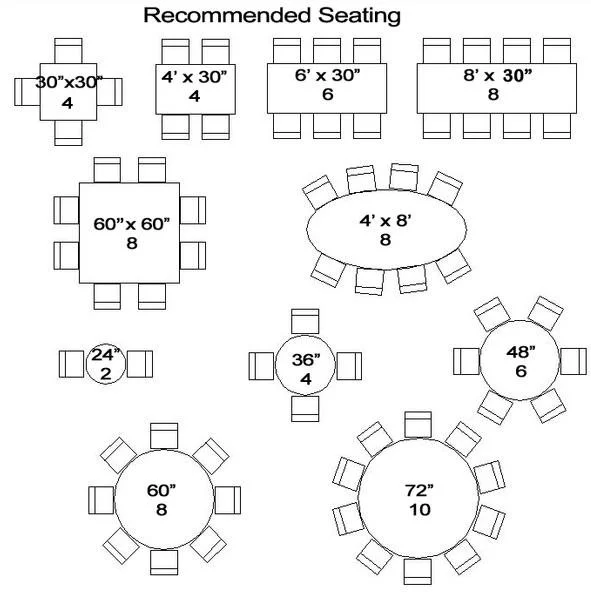
Let's say you're getting ready for a meeting, conference, class, banquet, or wedding, and you want to make sure the seating and tables are arranged in the best way for the attendees. What type of setup would you choose? It's not difficult to determine the best event layouts or setups. In fact, there are about 10-15 basic designs that work well for 99% of events. We'll discuss these designs in detail in this article. However, there are a few important factors to consider when deciding which setup is best for your event. The setup should align with your objectives and activities.
Every event has different goals.
Conferences focus on networking and learning, while galas and weddings focus on dining and socializing. Classes and seminars are about education, and concerts and plays are all about entertainment. Whatever type of event you're planning, it's important to identify your objectives for attendees and the activities they'll be involved in.
These activities can include catered meals, cocktail parties, dancing, speakers or panels, lounge areas, live music or DJs, networking opportunities, team building, and video presentations. Once you know your objectives and activities, consider the experience you want attendees to have. Do you want the event to feel open and spacious? Should attendees follow a specific path or sequence? Should different areas be designated for different activities? These are important factors to consider when deciding on the event setup.
Event planners want to make the most of the space they rent, ensuring that every square foot is utilized effectively to achieve the event's objectives. Similarly, venue managers at hotels, restaurants, and banquet halls want to make the most of their spaces to accommodate as many events as possible.
To start, think about the chairs, tables, and other items you'll need for your event, like stages, podiums, dance floors, food and drink stations, buffet setups, tents, microphones, loudspeakers, video screens, and band/DJ setups. Consider the number of people attending your event as well as your event objectives when arranging seating. If you have a keynote speaker or performer, prioritize seating towards the front. If networking or brainstorming is your focus, create an event seating chart that encourages interaction among attendees.
Follow these event layout and design best practices: involve your team, clients, vendors, and setup crew in the decision-making process to ensure everyone is aligned. Create a to-scale event floor plan diagram in advance that incorporates all the elements you need, such as tables, chairs, and furniture. You can use cloud-based event layout software tools to help you create accurate diagrams.
Now, let's explore the most popular event setups used by professionals and planners.
1. Banquet setup: Suitable for dinners, luncheons, banquets, galas, fundraisers, weddings, presentations, entertainment, workshops, and award ceremonies. This setup maximizes space for seated dining, whether it's a plated meal or a buffet-style dinner.
Traditional Banquet w/ Round Tables
Our traditional banquet seating includes round tables that are either 5' or 6' in diameter. Guests are seated all around the tables to make the most of the space. However, this setup means that some guests may have to turn their chairs around after the meal to face the stage, podium, or presenter. This style is commonly used for weddings, receptions, business events, and fundraising galas because it works well for dining and presentations.
Alternative: Cabaret
The cabaret room setup, also known as crescent rounds setup, is different from the traditional round table banquet setup. Chairs are arranged in a semicircle around half of the table, facing the stage or presenter. While this requires more tables, it ensures that all guests have a clear view of the front without needing to turn their chairs. This setup is perfect for weddings and meetings.
Family-Style Banquet w/ Rectangular Tables
Another option is the family-style banquet seating, which involves using long rectangular tables (either 8' x 2.5' or 6' x 2.5') placed end-to-end. Chairs are then placed along the long sides of the tables. This setup encourages more interaction among guests and is a great choice for a warm and social atmosphere.
Cocktail Setup: Best for pre-event cocktail hours, social events, networking, tastings, and events with heavy appetizers. If your event is short, has few presentations or entertainment, or aims to encourage attendee interaction, this setup is a good choice. It includes high-top tables with stools, buffet setups with premade cocktails and appetizers, drink stations, and seating on the sides to accommodate more people.
Lounge Setup: Ideal for relaxed networking, social events, relaxation or break areas, cocktail hours, and tastings. This setup offers a comfortable environment for guests to unwind and have informal conversations over cocktails or coffee. It works well as a standalone setup for networking events or cocktail hours, or as a secondary area within your event space for guests to take a break from primary activities, especially if those activities involve extended periods of sitting, active listening, or learning.
Classroom Setup
Recommended for: classes, seminars, workshops, training, smaller conferences, presentations, events with computer use or note-taking.
The classroom setup is a popular choice for meeting rooms. It allows participants to face the front, provides tables for note-taking or computer use, and enables interaction in small groups. Many hotels and corporate event centers prefer this layout for small conferences, seminars, and training sessions. Educators also frequently use it for workshops and lectures.
Alternative: Classroom Chevron
The chevron setup is similar to the classroom style, except that the tables are slanted slightly towards a central point at the front of the room. This creates a more intimate atmosphere and improves visibility between participants.
Breakout Setup is an ideal arrangement for various activities like small group discussions, speed networking, classes, team building, brainstorming, training, and workshops. It is also known as cluster or pod style setup. The main purpose of this setup is to spread out tables or pods in the event space so that small groups can sit together and collaborate, brainstorm, and share ideas freely.
The choice of seating and table plan depends on the level of activity and focus desired. If you want participants to frequently change tables or group members, you can use high-top tables with stools or no seating at all to encourage movement. On the other hand, if you want participants to stay with the same group and focus for a longer time, small square tables or round tables with chairs would be a better choice.
Runway Setup:
Great for fashion shows, speaking engagements, events with auctions, performances, concerts, award ceremonies.
This setup features a long and wide aisle where models, speakers, performers, or emcees can walk and interact with the audience's focus.
Guests are seated in a single row behind tables or in tiered rows on risers parallel to the aisle for a close-up view.
Make sure the room you choose is wide enough for your expected number of attendees.
Auditorium Setup:
Perfect for performances, concerts, presentations, training, conferences, meetings, seminars, trade shows, and more.
This setup maximizes space by using parallel rows of chairs with at least 2 feet of space between them and 3 inches between chairs.
Chairs face a stage, dias, or central point at the front, with aisles running perpendicular to the rows for easy access.
If you need different activities or a trade show design, consider incorporating a theater setup if you have enough space.
Alternative:
Chevron Setup: This setup is similar to the classroom chevron style, with chairs angled towards a central point at the front. It creates a more intimate setting and allows attendees to see each other better. For larger events, the theater chevron setup, also known as herringbone setup, is recommended.
Boardroom Setup: This layout is ideal for small meetings, conferences, board of directors meetings, breakouts, committees, small presentations, small classes, and working lunches. It involves either one large table in the middle of the room or four large square or rectangular tables arranged together. Chairs are placed around the tables, encouraging interaction and conversation. A leader or speaker can stand in front of a whiteboard or screen. The boardroom setup is also great for dining during lunch breaks or coffee breaks.
Hollow Square Setup:
Ideal for: small meetings, conferences, breakouts, committees, small presentations, small classes, working lunches.
The hollow square room setup is similar to a boardroom meeting design. It allows more people to sit around the edges of the room, while one or more speakers or presenters are in the center as the focal point. This setup encourages participation, allows for lunch-style dining, and opens up the space to avoid feeling cramped.
U-Shape Setup:
Ideal for: small meetings, conferences, training, breakouts, workshops, small presentations, small classes.
The U-shape room setup is perfect if you want attendees to focus on a speaker or presentation at the front of the room. It still allows for discussion and participation while maintaining a compact space.
The U-shaped meeting room setup can include chairs around the outside perimeter of the U or, if more people need to fit, around the entire circumference of the U (sometimes called the imperial setup). Keep in mind that, like the banquet room setup, half the attendees will need to turn their chairs around to face the front, so this setup may not be ideal for lots of presentations. Planning Pod offers event setup designs, including chair-only setups, perfect for brainstorming, networking, training, workshops, retreats, team building, seminars, and focus groups. Chair-only event setups can include circle setups with chairs facing each other in a full circle, with possible chairs in the middle for group leaders/presenters.
Semicircle setups - Chairs in a half circle, with a few chairs on the open side for leaders/presenters.
Horseshoe setups - Chairs arranged in a U-shape for more seating, with an open area for leaders/presenters.
For better attendee experience, try these event layouts. Need more info? Check out our article on event layouts and meeting room arrangements.
Don’t worry about sounding professional. Sound like you. There are over 1.5 billion websites out there, but your story is what’s going to separate this one from the rest. If you read the words back and don’t hear your own voice in your head, that’s a good sign you still have more work to do.
Be clear, be confident and don’t overthink it. The beauty of your story is that it’s going to continue to evolve and your site can evolve with it. Your goal should be to make it feel right for right now. Later will take care of itself. It always does.